
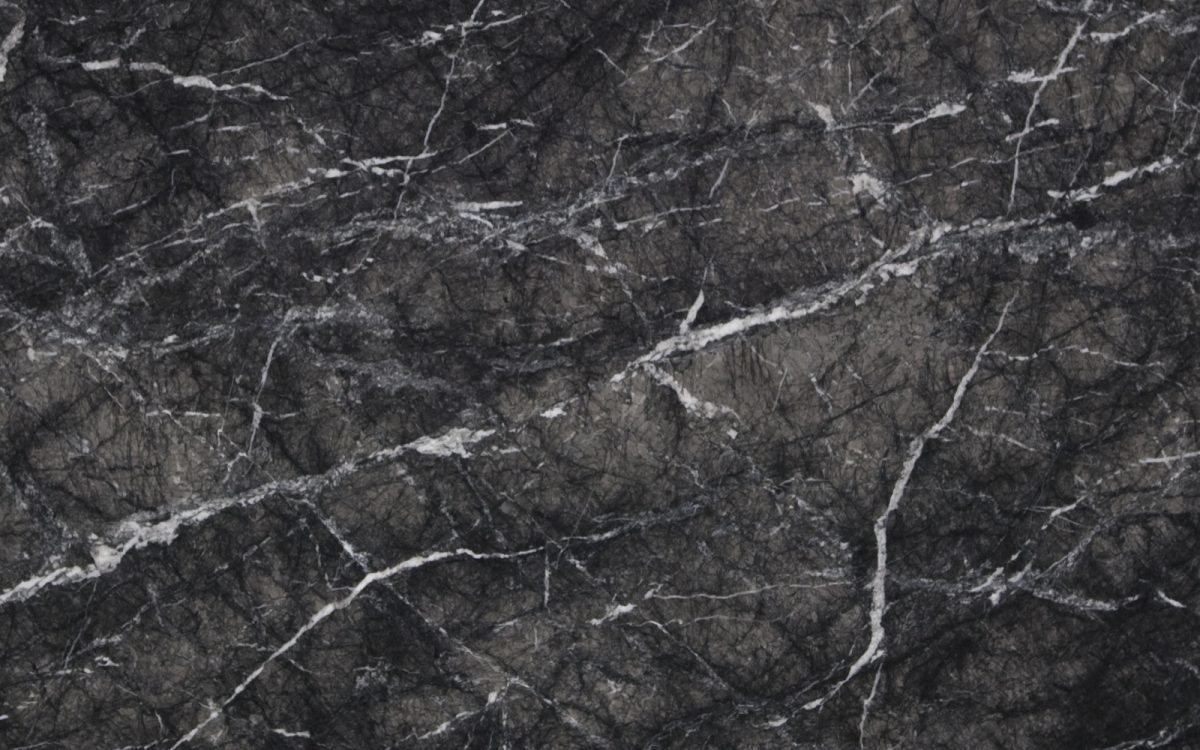
Marble is a fascinating material, so much so that it is used throughout the construction industry in many different forms. Marble is often associated with the thoughts of lavish mansions and only for the elite, but over the last couple of decades it has really become more common and accessible.
Despite the beauty of marble, it has it’s own inherent weaknesses. It is a substances that is structural related to limestone, and although marble has some significant metamorphic changes when compared to limestone, it still has a high porosity. This means that if any liquids are spilt on a marble surface, the marble can and will absorb the liquids. This will result in a dark staining in that particular area of marble which is difficult to remove.
To prevent this from happening, all marble surfaces should be sealed with specialised sealant that is designed for this type of surface. This effectively provides a barrier between the marble and any spilt liquids, preventing them from being absorbed into the stone. Not only will this prevent staining, but a sealant can also prevent superficial damage to the marble which would have otherwise occurred through physical or chemical exposure.
If you use VIP Stone Restoration to rejuvenate your marble surfaces, we will always recommend marble sealing to the finished product. This not only protect is, but prolongs the time your marble will last before another restoration is required.
Whether it’s marble or another stone you need repaired, we can do it. Get in touch with us today on 0426 76 76 76 for your free and no obligation tailored quote.
Return to our homepage www.vipstonerestoration.com.au

